Patent and Latent Defects in Contracts for Work
In a contract for work, the contractor’s warranty against defects operates independently of fault. That warranty still depends on the employer discharging the duties to inspect and notify. What those duties require, and when, turns on the distinction between patent and latent defects.
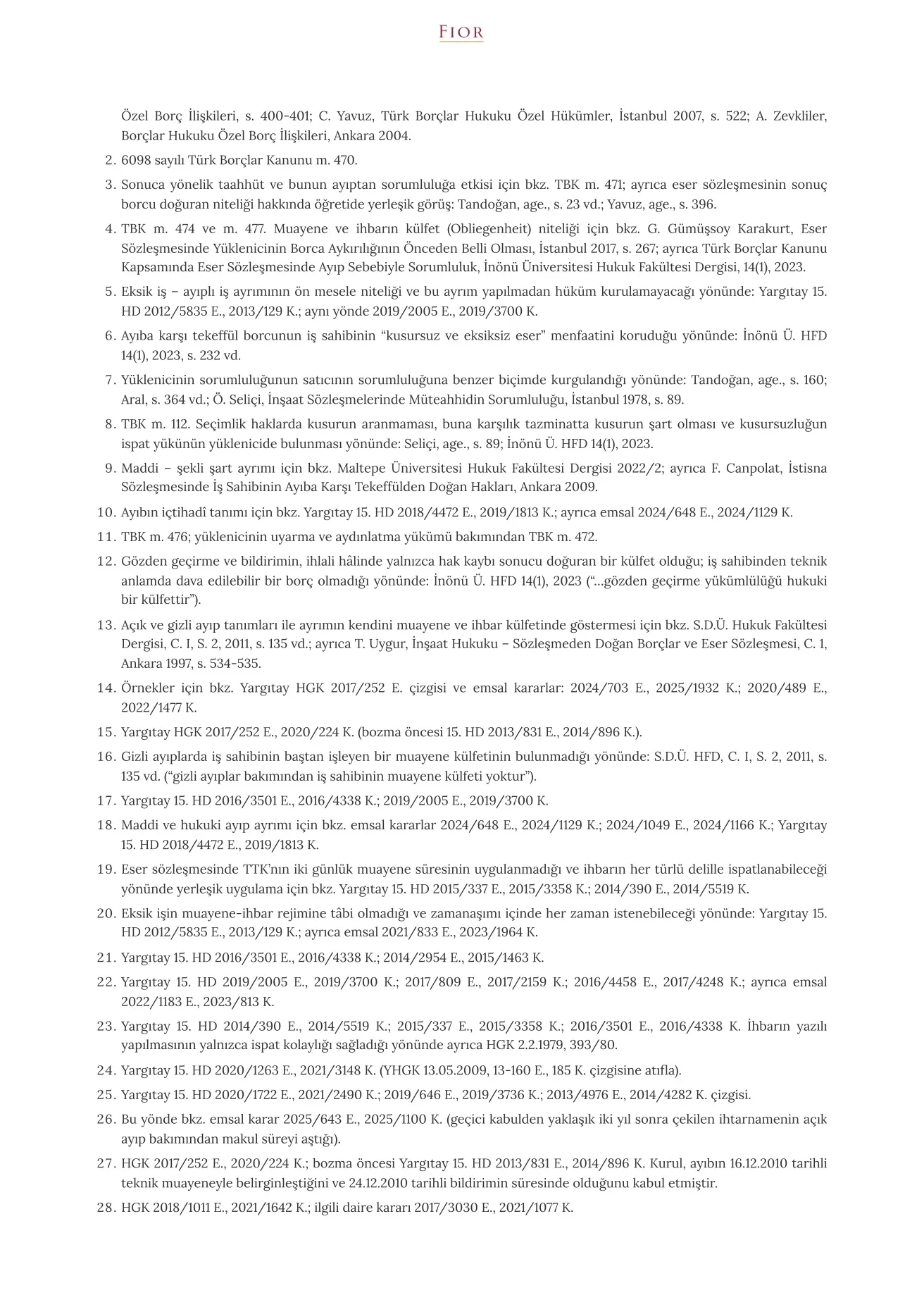
The test is not visibility to the naked eye. What matters is whether an ordinary inspection would have made the defect legally and technically intelligible. The Court of Cassation Grand Chamber’s trailer-width decision confirms the point: a physically measurable feature is latent if its defective character emerges only on technical examination.
Before that classification comes another: incomplete work versus defective work. Incomplete work is outside the inspection-and-notice regime. In practice, cases often turn on proof of notice and the quality of the expert report. The date used to price the remedy also changes with the type of defect.
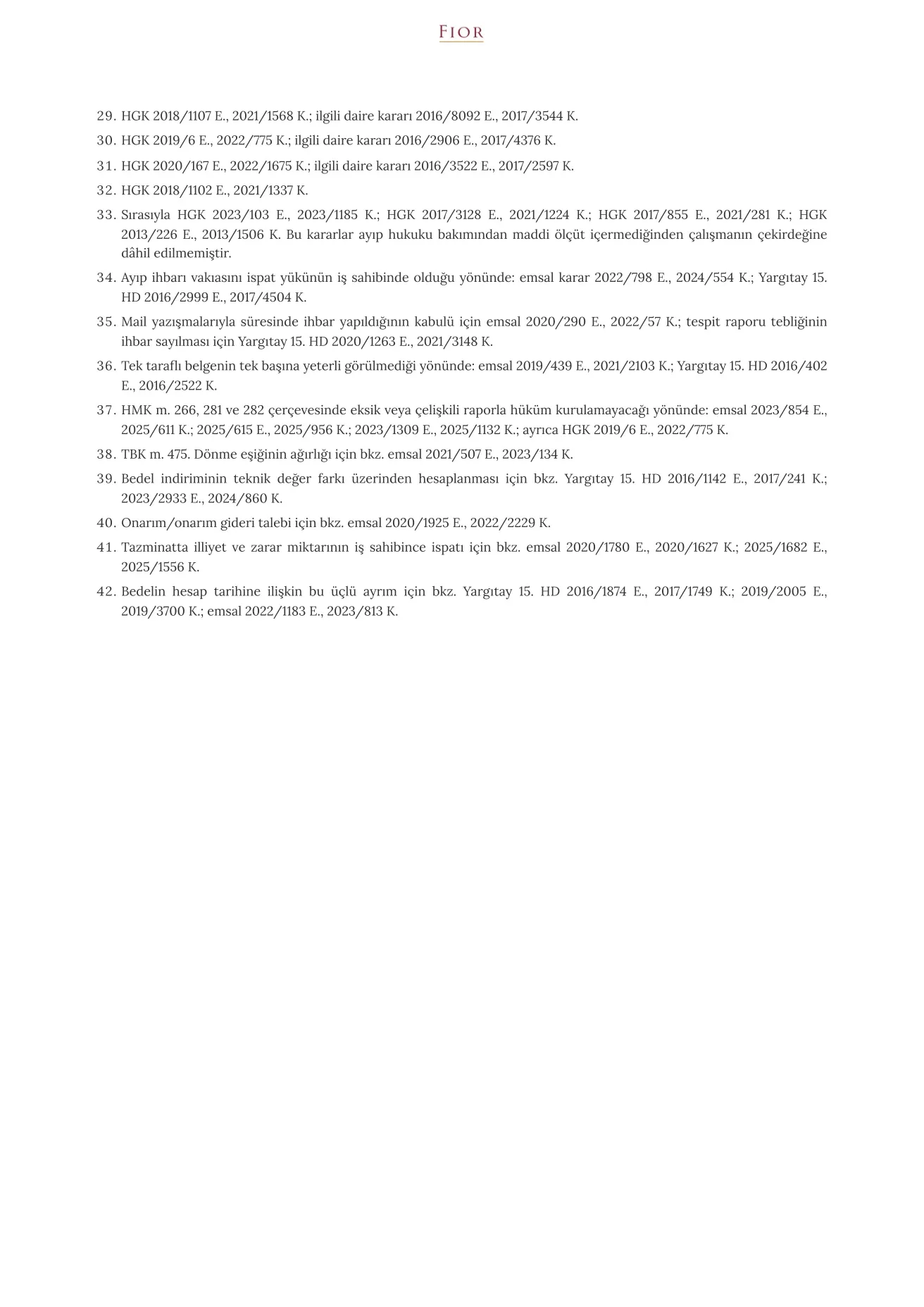
The study reads doctrine and case law through that axis, within articles 474–478 of the Turkish Code of Obligations. The full text is below.